The problem
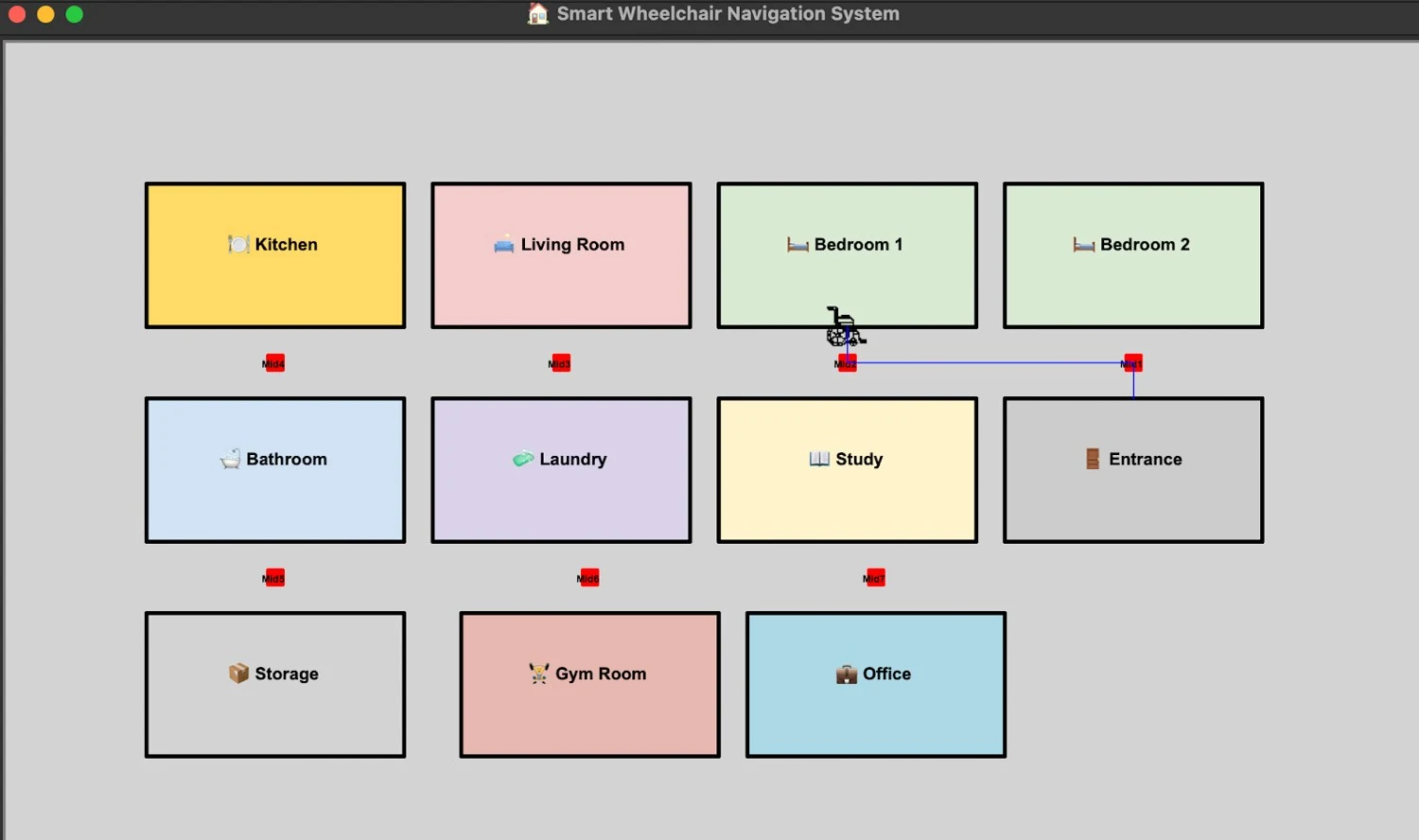
Indoor assistive navigation needs more than a path between coordinates. The robot must recognize hazards, work around furniture, and confirm that it has reached the intended room.
What we built
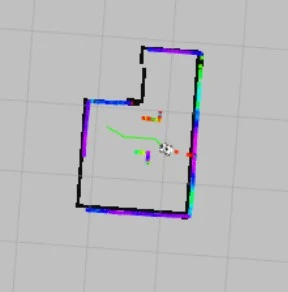
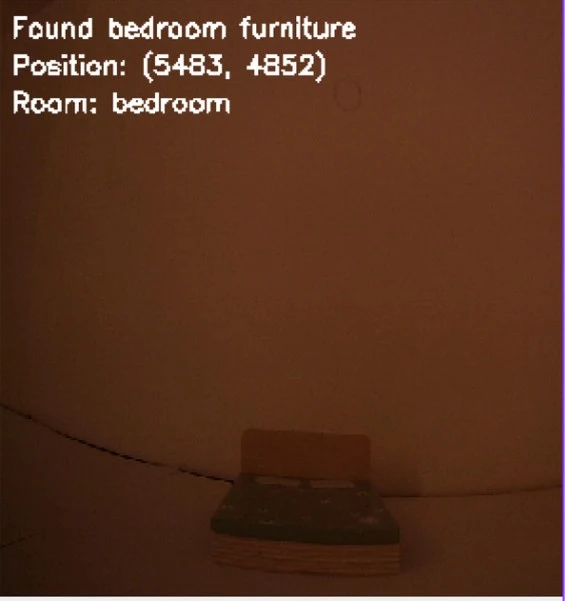
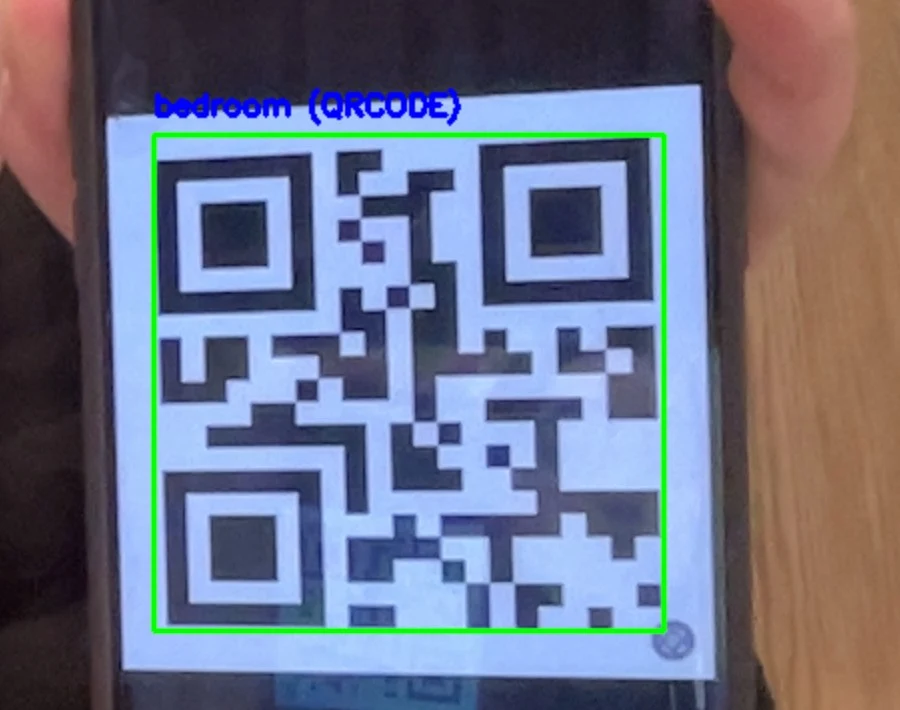
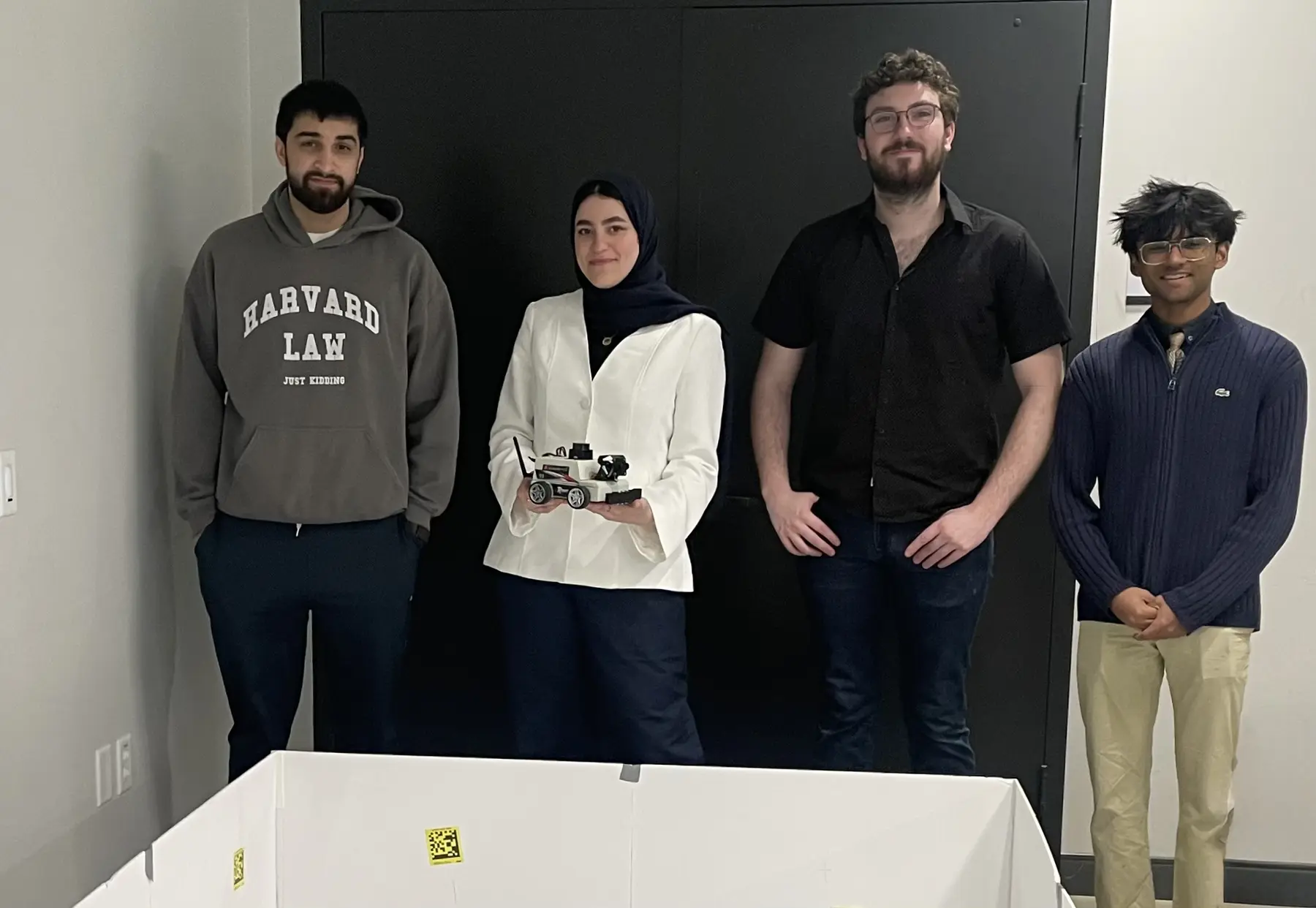
Our team used a Yahboom Pi5 mobile robot to map a physical mock home with LiDAR and explore room-to-room navigation. OpenCV modules detected red tape representing hazardous floor zones and used color and shape cues for furniture context. QR/barcode checks provided a separate arrival signal.
Testing and iteration
Detector recalibration improved previously unsuccessful hazard and furniture tests. Obstacle avoidance remained partially successful, and the prototype could stall at a checkpoint if no barcode appeared. These limitations make the next steps clear: stronger recovery behavior and more robust arrival handling.
Mapping, perception and arrival checks
We used the Yahboom Pi5 robot, LiDAR mapping and the ROS 2 / Nav2 navigation stack to explore movement through a physical mock home. My perception work used Python and OpenCV: HSV color segmentation identified red-tape hazard zones, while color and shape cues supplied furniture context. pyzbar supported barcode and QR-code recognition as a separate room-arrival check. Testing exposed both detector calibration problems and a navigation checkpoint that could stall when a barcode was missing; the project documents those limitations alongside the successful perception tests.