The design question
How could a phototherapy blanket be designed with affordability and the realities of resource-constrained care in mind? The course project develops the requirements and engineering rationale for a proposed device.
The work
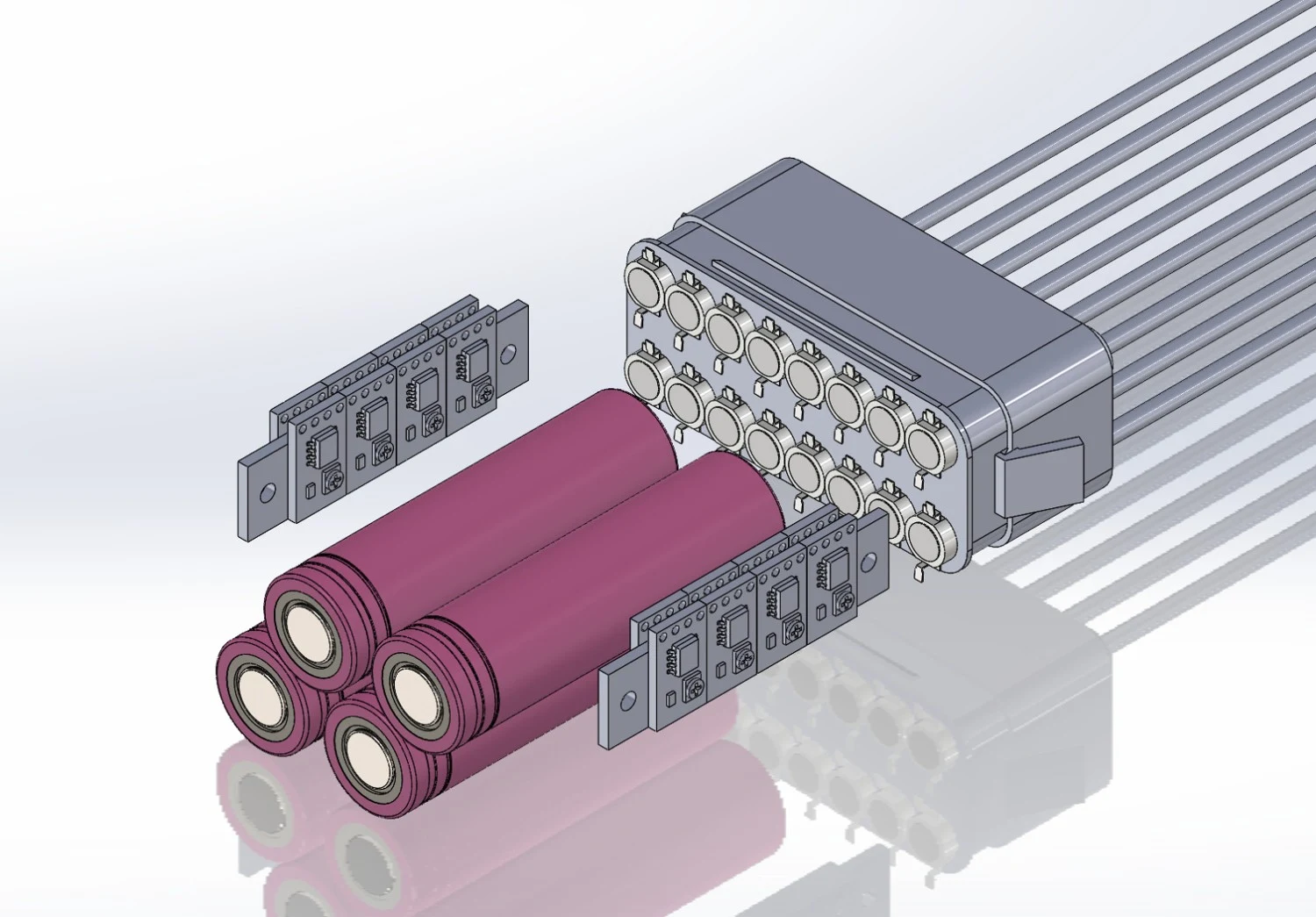
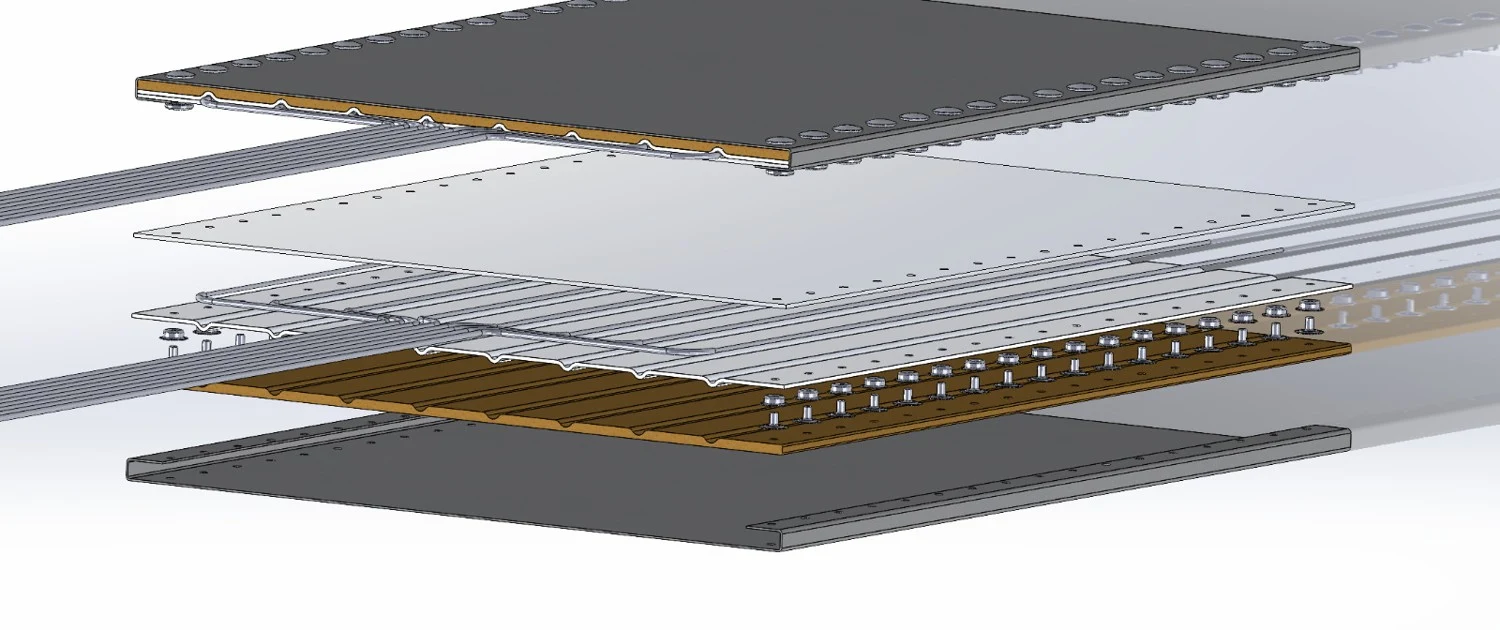
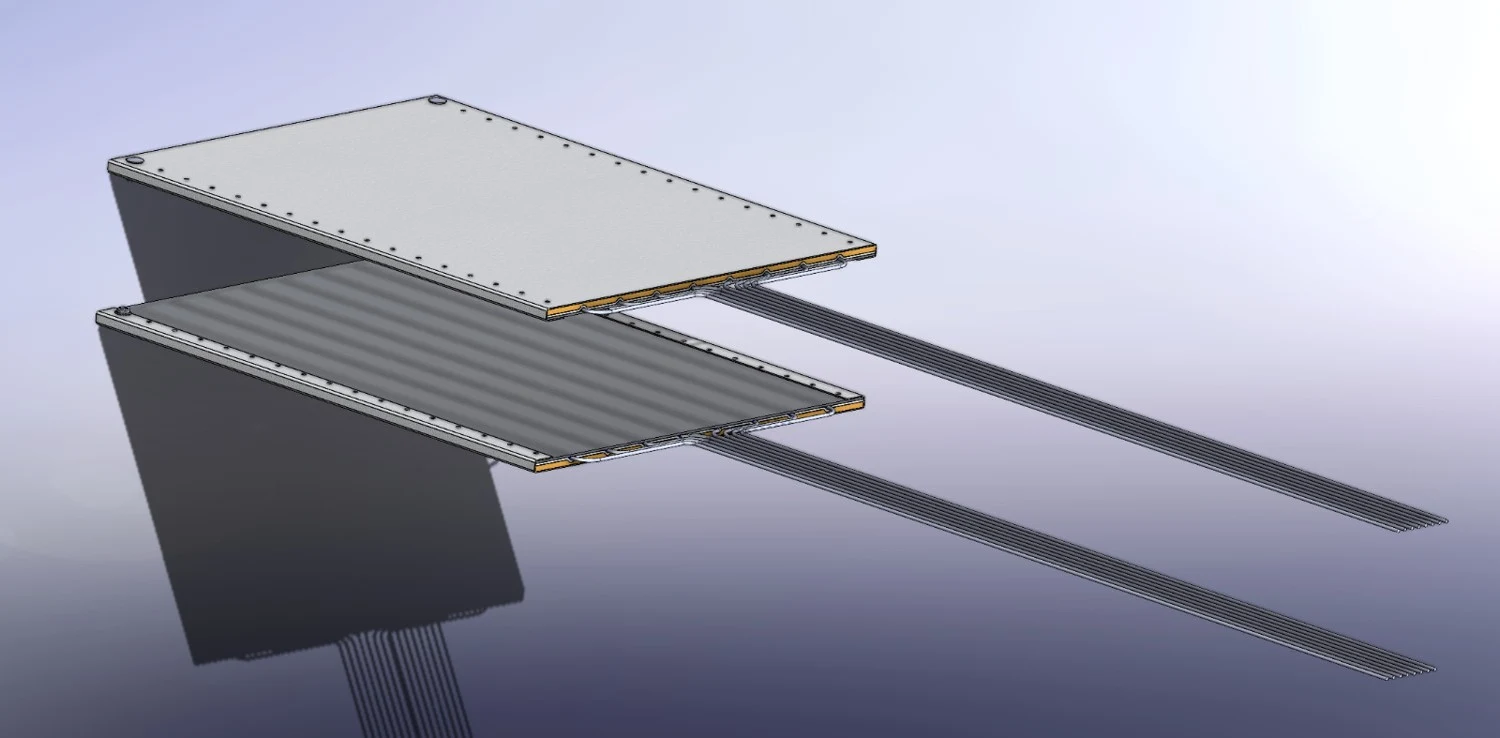
I translated the treatment and usability needs into engineering requirements, then compared concepts for delivering blue light across a flexible treatment surface. My selected layout separates the LED source and driver from the fiber-optic pad, aiming to keep heat-producing electronics away from the infant while distributing light through the blanket. I developed the SolidWorks assembly and considered how the optical fibers, enclosure, power supply and control electronics could fit together in a portable design.
Power, light and thermal design
I evaluated blue COB5730 LEDs with CN5711 constant-current drivers and PWM dimming, and used optical power budgeting and runtime calculations to relate the proposed source to the treatment area and battery capacity. Thermal analysis informed the separation of the LED engine from the patient-contacting pad. These calculations guided a proposed device architecture; the blanket was a design study, not a manufactured or clinically tested treatment device.
Scope
This is a student design study. It is not a clinically validated device, and the portfolio does not claim a treatment outcome.
Design tools and proposed hardware
This was a medical-device design study supported by SolidWorks CAD, requirements analysis, Quality Function Deployment and a weighted concept-selection matrix. The selected concept separated a blue-LED engine from a fiber-optic treatment pad to reduce direct heat exposure. The proposed electronics used COB5730 LEDs, CN5711 constant-current PWM drivers and an 18650 battery supply. Optical power budgeting, runtime calculations and thermal analysis informed the design. These components describe the proposed architecture and engineering analysis, rather than a clinically validated or manufactured device.