Research focus
During my internship at King Abdullah University of Science and Technology (KAUST), I worked on liquid crystal elastomers for responsive soft actuators. The project explored how a flexible polymer could produce useful motion when exposed to heat or light. The broader research direction brought together the actuator material, printed heating elements, and sensing; my experimental work focused on preparing the material, shaping it, and understanding its response.
Fabrication and preparation
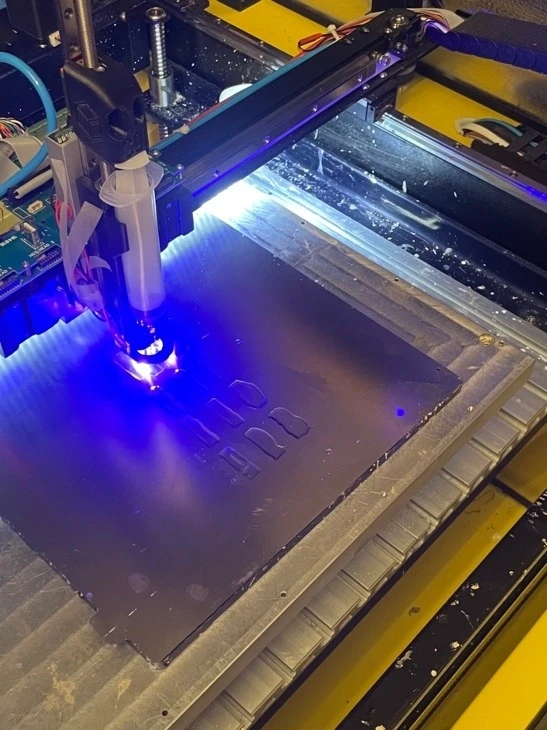
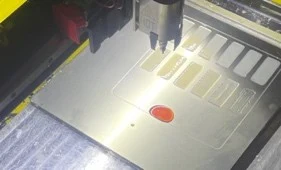
I worked with cast LCE formulations and direct-ink-writing approaches, preparing mixtures and carrying samples through molding, stretching, and curing. I also developed sketches for laser cutting and worked with LCE elements attached to flexible silicone substrates. The fabrication work involved adjusting preparation and printing conditions, then checking whether the resulting material could be handled and tested as an actuator.
Actuation and application tests
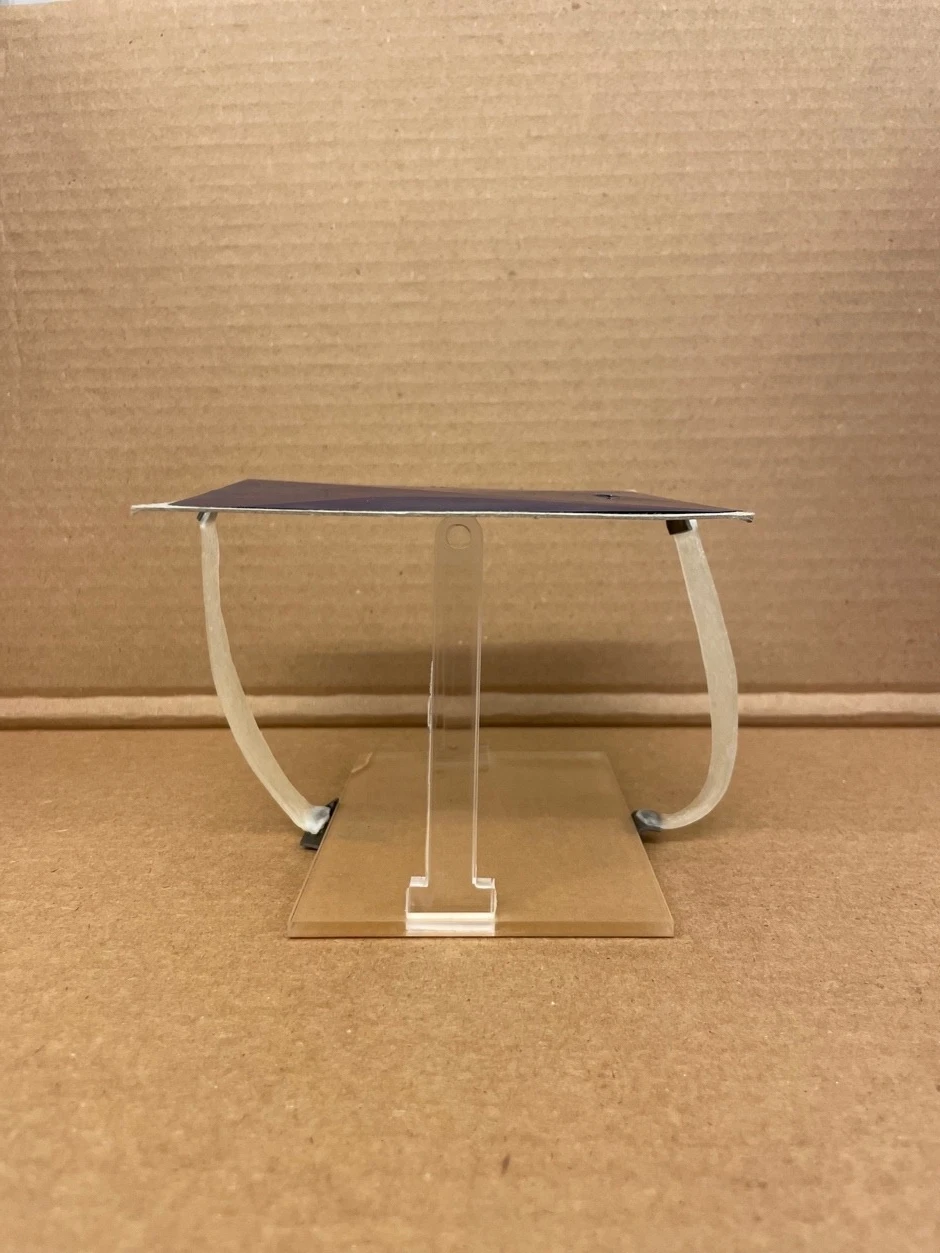
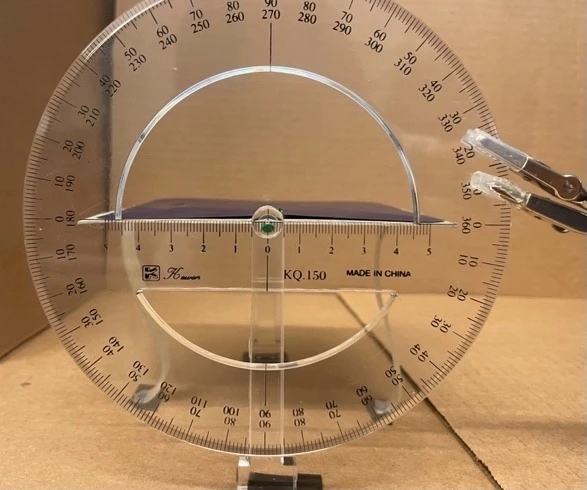
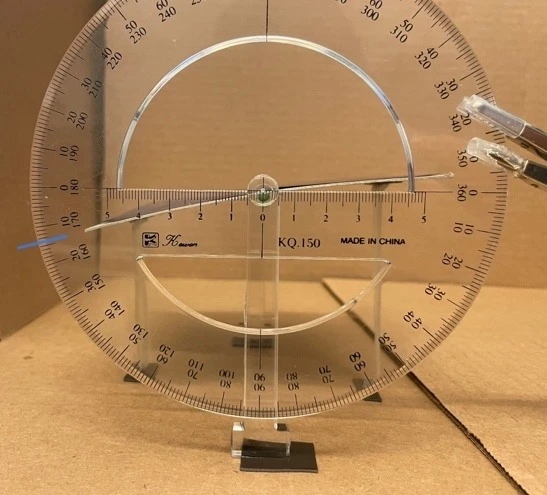
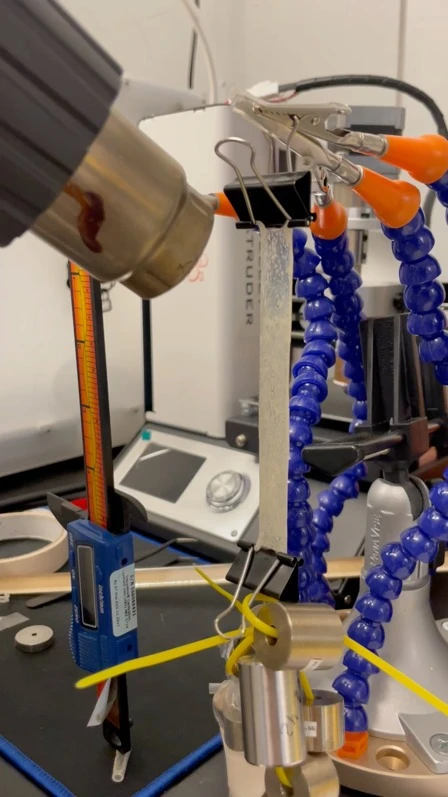
I tested how the LCE strips contracted and recovered under heating and cooling, including experiments with suspended weights to see whether the material could perform mechanical work. I also tested LCE elements in a solar-tracker demonstrator, where heating one side changed the orientation of the supported solar cell. These experiments connected the behavior of the material to a possible device application.
Thermal response and coatings
I investigated conductive layers and light-absorbing treatments as ways to alter the thermal response. I compared coated and uncoated strips, tracked their heating and cooling behavior, and recorded changes in shape and length under heat and sunlight. The observations helped distinguish contraction, bending, and recovery, while identifying which coating and fabrication choices needed further testing.
Fabrication and characterization methods
My experimental work combined polymer preparation and casting with syringe-based direct ink writing, laser-cut sample preparation and heat-responsive actuation tests. I investigated how material preparation and fabrication affected movement, tested load lifting, and contributed to a solar-cell demonstrator. The report records iterative material and fabrication work; proposed integrated sensing and heater concepts are separate from the experimental demonstrations shown here.